Ants and Fire Ants in North Alabama
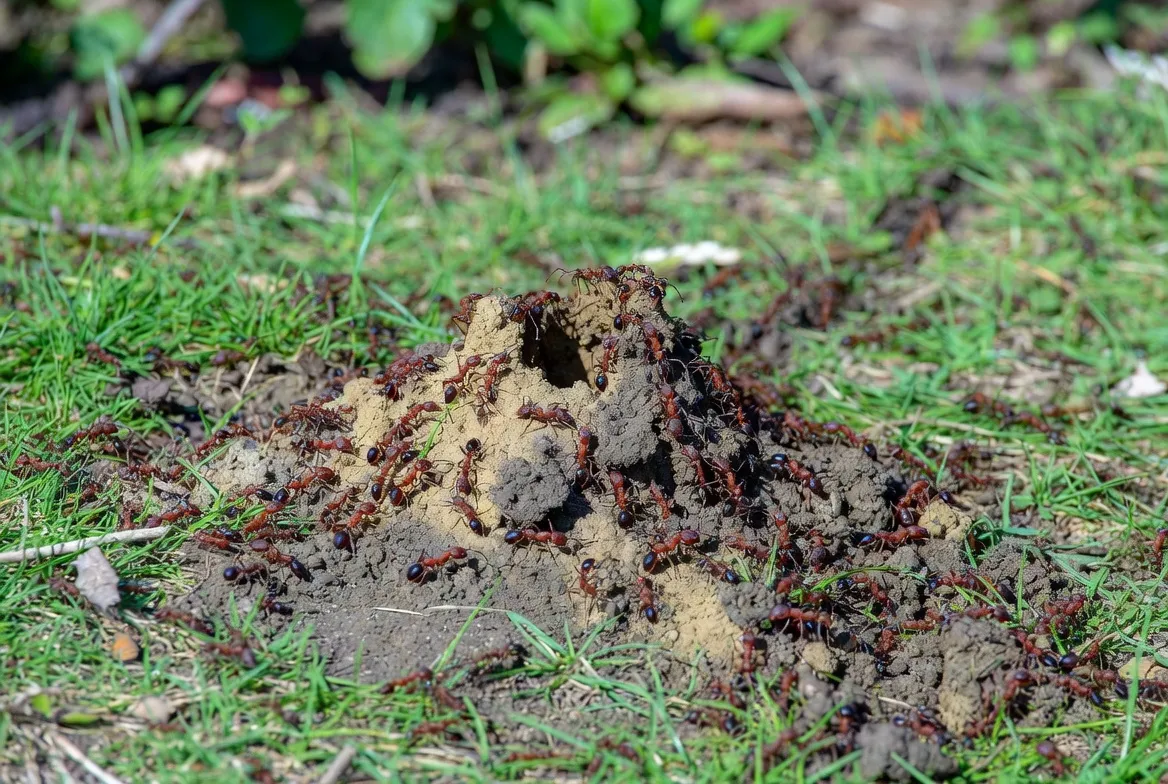
Ants are among the most common pest complaints in Huntsville — and for good reason. Madison County's warm climate, clay-heavy soils, and ample rainfall create ideal conditions for multiple ant species, including the notoriously aggressive imported red fire ant, which has firmly established itself across North Alabama.
While most ant species are merely a nuisance, fire ants pose a genuine health risk — particularly to children, the elderly, and pets. Fire ant stings are painful and can cause severe allergic reactions in sensitive individuals, including anaphylaxis in rare cases. Taking fire ant control seriously is not an overreaction.
Common Ant Species in Huntsville
Imported Red Fire Ant (Solenopsis invicta)
The most dangerous and most visible ant in North Alabama. Fire ants build distinctive dome-shaped mounds — often 12–18 inches tall — in open sunny areas: lawns, roadsides, pastures, and the edges of driveways. Colonies can contain 100,000 to 500,000 workers and multiple queens. They attack aggressively when disturbed, swarming the intruder and delivering painful, burning stings repeatedly. For sensitive individuals, fire ant stings can be life-threatening.
Argentine Ant (Linepithema humile)
A small, light brown ant that forms enormous supercolonies. One of the most common indoor ants in the South. They trail in long lines — often entering kitchens through gaps around plumbing and windows. Unlike most ants, Argentine ants do not sting but can be extremely difficult to eliminate due to their massive, interconnected colony structure.
Odorous House Ant (Tapinoma sessile)
Named for the coconut-like odor they release when crushed. Small, dark brown to black. Common in kitchens and bathrooms, foraging for sweets and moisture. Nest both indoors (behind walls, under floors) and outdoors under debris and mulch.
Carpenter Ant (Camponotus spp.)
The largest ant you're likely to see in your home — up to 1/2 inch. Black or bicolored. Unlike termites, carpenter ants do not eat wood but excavate it to build galleries. Infestations are typically associated with moisture-damaged wood. Sawdust-like frass near wooden structures is a key sign.
Pavement Ant (Tetramorium caespitum)
Small, dark ants commonly seen pushing soil up through cracks in driveways and sidewalks. Often enter homes in search of food, particularly in spring and summer. Generally a nuisance rather than a structural risk.
Fire Ant Safety in Alabama
Children and toddlers who fall on or near fire ant mounds are at particular risk, as they may receive hundreds of stings before being rescued. Pets are also frequently stung while exploring yards. Check your lawn for mounds regularly, especially after rain — fire ants often relocate and rebuild mounds quickly following wet weather.
Identifying fire ant mounds
Fire ant mounds are dome-shaped piles of loose, fluffy soil — typically 6–18 inches high and 12–24 inches wide. They have no visible entrance hole on top (fire ants enter from tunnels below the mound). Fresh mounds appear after rain. Kicking or stepping on a mound causes immediate, aggressive swarming.
Ant and Fire Ant Treatment Options
Individual mound treatment (fire ants)
Effective for targeting specific mounds. Options include drench treatments (liquid insecticide poured into the mound), granular contact killers, or mound drenches with boiling water (less reliable). Treats the visible mound but does not prevent new colonies from establishing elsewhere in the yard.
Broadcast bait treatment (fire ants)
Granular bait is spread across the entire lawn. Fire ant workers collect it and carry it back to the queen. Results take 1–3 weeks but eliminate colonies across the entire property — including ones you have not yet found. Most pest control professionals prefer this method for comprehensive fire ant control. Products like Amdro and Extinguish Plus are widely used in Alabama.
Two-step fire ant method
Recommended by Alabama Extension specialists: apply broadcast bait across the entire yard, then individually treat any remaining active mounds 5–7 days later. This combination is more effective and longer-lasting than either method alone.
Indoor ant treatment (Argentine, odorous house, pavement)
Gel bait placed near trails and entry points is highly effective for indoor ant species. Avoid spraying repellent insecticides near bait — it will prevent ants from carrying the bait back to the colony. Perimeter sprays around the exterior foundation help prevent new entry. Identifying and sealing entry points is an important component of long-term control.
Carpenter ant treatment
Requires locating and treating the nest, which is often inside moisture-damaged wood. A professional should inspect for the source of the moisture that attracted them — fixing the underlying moisture issue is essential. Void injections and perimeter treatments are typically used.
What Does Ant Control Cost in Huntsville?
| Service | Typical Cost Range | Notes |
|---|---|---|
| Fire ant broadcast bait (lawn) | $75 – $200 | Based on yard size; per treatment |
| Fire ant two-step treatment | $150 – $350 | Bait + individual mound treatment |
| Indoor ant treatment | $100 – $250 | One-time; gel bait + perimeter spray |
| Annual ant control plan | $300 – $600/yr | Typically 4 quarterly visits |
| Carpenter ant treatment | $250 – $500 | Nest location + void injection |
DIY Option We Recommend
Looking to tackle fire ants yourself? Here is the product most recommended by Alabama Extension specialists for North Alabama yards. (affiliate disclosure)
