Mosquito Season in North Alabama
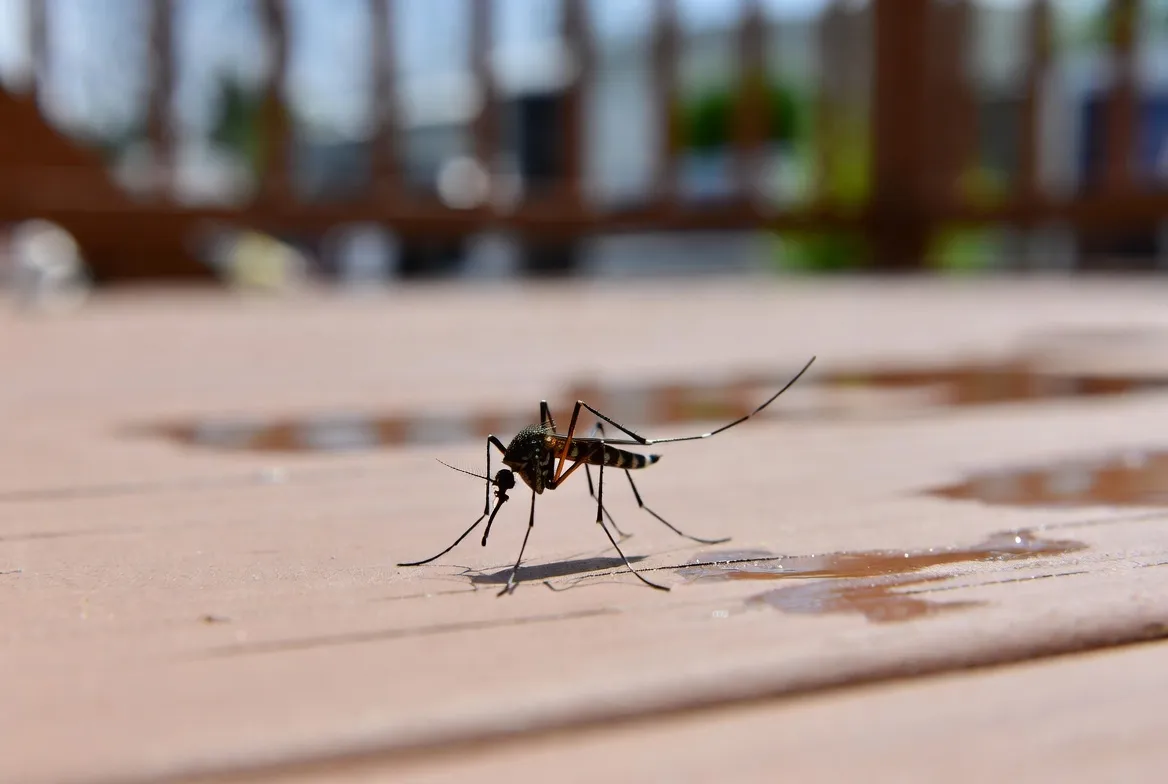
Unlike states further north, Huntsville's mild climate means mosquito season starts as early as late February or March and can extend through October or even November in warm years. Peak activity runs from May through September when temperatures consistently exceed 80°F and humidity is high.
Madison County's topography — with its creeks, retention ponds, and low-lying neighborhoods — creates numerous breeding sites that allow local mosquito populations to build quickly after rainfall events. A single inch of standing water is enough for a female mosquito to lay hundreds of eggs.
Common Mosquito Species in Huntsville
Asian Tiger Mosquito (Aedes albopictus)
Identifiable by its bold black-and-white striped pattern. One of the most aggressive biters in the Huntsville area, active during the day — not just at dusk. Breeds in tiny amounts of standing water including flower pots, birdbaths, and clogged gutters. Capable of transmitting Zika, dengue, and chikungunya.
Southern House Mosquito (Culex quinquefasciatus)
The primary West Nile Virus vector in our region. Bites primarily at dusk and dawn. Breeds in stagnant water with organic matter — storm drains, ditches, and neglected containers. Most active from late spring through fall.
Gallinipper (Psorophora ciliata)
An unusually large mosquito that appears after heavy rains in Alabama. Its bite is noticeably more painful than other species. While alarming in size, it is a less efficient disease vector than smaller species.
What You Can Do Yourself
Before calling a pest control company, eliminating standing water around your property is the single most effective step you can take. Mosquitoes breed in as little as a bottle cap of water.
🪣 Empty containers
Overturn or empty flower pots, buckets, old tires, and any container that collects rainwater at least once a week.
🌿 Clean gutters
Clogged gutters are one of the most overlooked mosquito breeding sites. Clean them in spring and after leaf fall.
🐟 Stock ornamental ponds
Mosquito fish or Bti dunks (biological larvicide) can eliminate mosquito larvae from decorative water features.
🌱 Trim vegetation
Adult mosquitoes rest in dense vegetation during hot daylight hours. Keep shrubs and ground cover trimmed back.
Professional Mosquito Treatment Options
Barrier spray treatments
The most common professional service. A technician applies a residual insecticide to vegetation, fences, and shaded areas where mosquitoes rest. Treatments typically last 3–4 weeks and are most effective when done on a scheduled monthly or bi-monthly basis during mosquito season. Organic/botanical options (such as cedar oil or garlic-based products) are available and work well for families with environmental concerns.
In2Care mosquito traps
A newer, targeted approach using containers that attract egg-laying female mosquitoes. The mosquito picks up a larvicide on her legs and spreads it to other breeding sites she visits — eliminating larvae before they hatch. Effective and low-chemical-impact.
Misting systems
Automated systems installed around your property perimeter that release a fine mist of insecticide on a timer. Convenient and consistent, but require professional installation and refilling. Best for homeowners with large yards or outdoor entertaining areas.
What Does Mosquito Control Cost in Huntsville?
| Service | Typical Cost Range | Notes |
|---|---|---|
| Single barrier spray treatment | $75 – $150 | Per visit, based on yard size |
| Seasonal spray program (monthly) | $400 – $800/season | 5–8 treatments Mar–Oct |
| In2Care trap system | $200 – $400/season | Includes monitoring |
| Misting system installation | $1,500 – $3,500 | Plus refill costs ~$200–400/yr |
DIY Option We Recommend
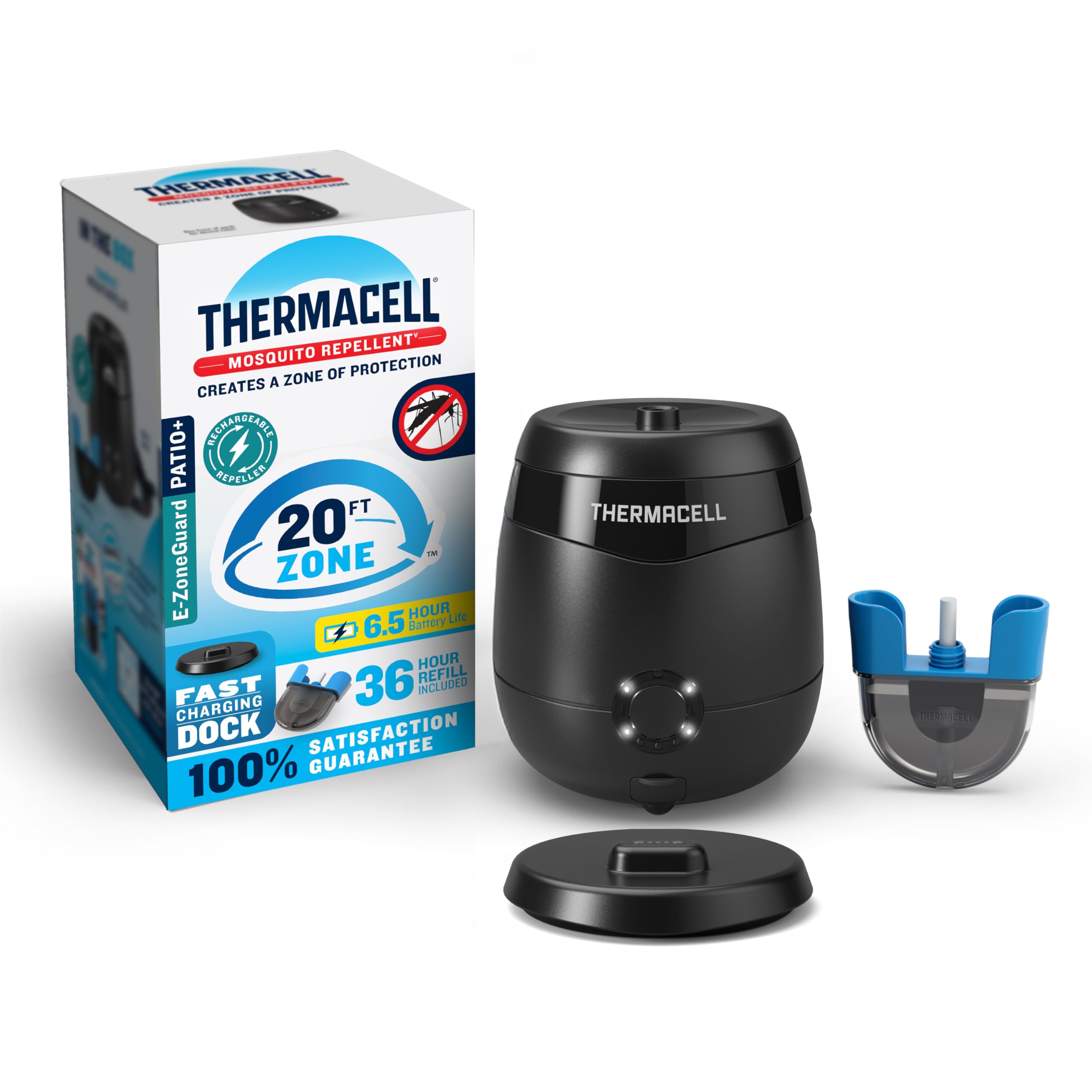
Want to reduce mosquito pressure on your patio without calling a company? Here's the product we recommend for Huntsville homeowners. (affiliate disclosure)