When Rodents Become a Problem in Huntsville
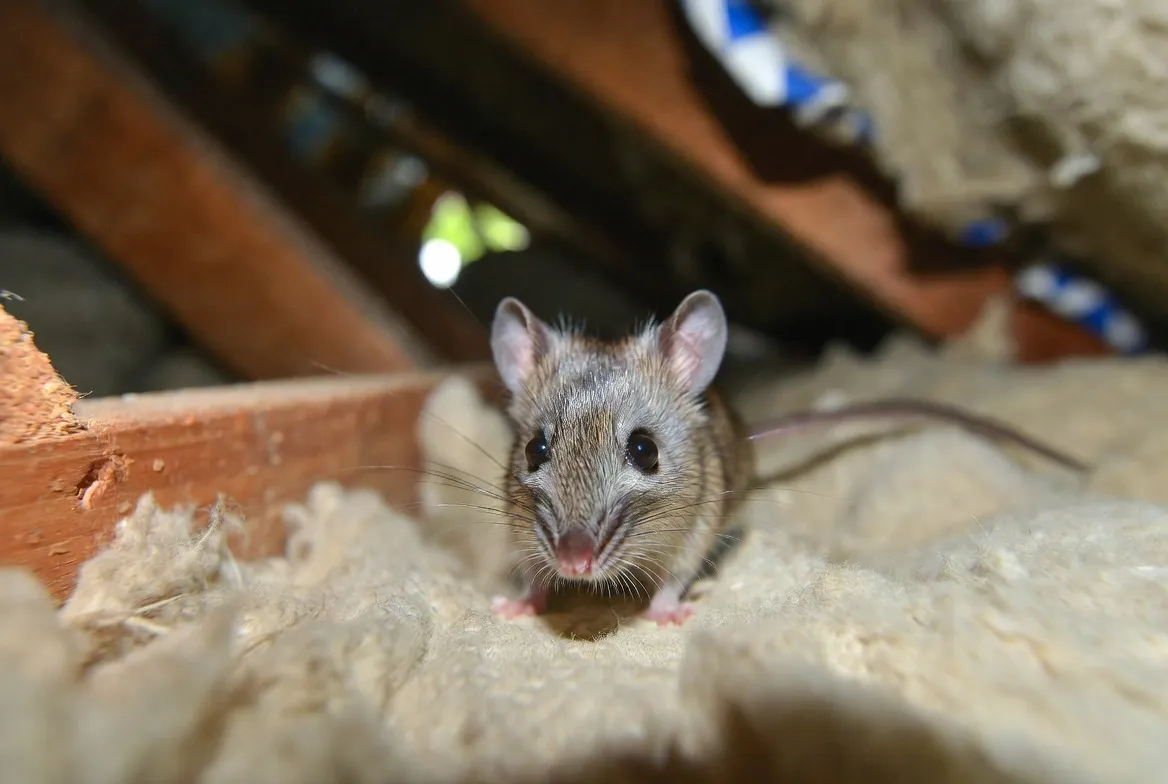
While rodents can enter homes year-round, fall is peak season in North Alabama. As nighttime temperatures drop below 50°F — typically in October and November — mice and rats actively seek warmth and begin exploiting gaps in foundations, rooflines, and utility penetrations to get inside.
Huntsville's rapid suburban expansion into previously rural areas has also increased human-rodent contact. New construction disturbs established rodent habitats, pushing populations toward established neighborhoods. Areas near green spaces, creeks, and the edges of subdivisions tend to see higher activity.
Rodent Species Common in North Alabama
House Mouse (Mus musculus)
The most common indoor rodent in Huntsville. Small (2–4 inches body length), dusty gray, with large ears. Can squeeze through a gap the size of a dime. Reproduce rapidly — a single pair can produce 50+ offspring per year under ideal conditions. Often found in kitchens, pantries, and wall voids.
Norway Rat (Rattus norvegicus)
Also called the brown rat or sewer rat. Larger than mice (7–10 inches body length), with a heavy build and blunt snout. Prefers ground-level harborage — basements, crawl spaces, and burrows near foundations. Strong chewers capable of damaging pipes, insulation, and structural wood.
Roof Rat (Rattus rattus)
Sleeker and more agile than the Norway rat. Excellent climbers that prefer upper levels of structures — attics, rafters, and upper walls. More common in warmer parts of Alabama but increasingly present in the Huntsville area. Often enters through roofline gaps, utility penetrations, and tree branches touching the home.
Signs of a Rodent Problem
💩 Droppings
Mouse droppings are small (1/4 inch), dark, and pointed at both ends. Rat droppings are larger and capsule-shaped. Fresh droppings are dark and moist; older ones are dry and gray.
👂 Scratching sounds
Nocturnal scratching, scurrying, or gnawing sounds in walls, ceilings, or under floors — especially at night — are a strong indicator of active rodents.
🦷 Gnaw marks
Rodents constantly gnaw to keep their teeth trimmed. Look for chew marks on food packaging, wooden cabinets, baseboards, and electrical wiring insulation.
🐾 Runways & rub marks
Rodents travel the same paths repeatedly. Dark greasy smear marks along walls and baseboards indicate regular rodent traffic.
🐾 Nesting material
Shredded paper, insulation, fabric, or plant material gathered into a hidden ball indicates a nest nearby — often inside walls, under appliances, or in stored boxes.
🪤 Pet behavior changes
Cats and dogs often detect rodents before humans do. Unusual interest in walls, appliances, or cabinets can be an early warning sign.
Rodent Prevention: Sealing Your Home
The most effective long-term rodent control strategy is exclusion — physically preventing rodents from entering. This is also the most overlooked step. Many homeowners treat an active infestation without addressing how the rodents got in, leading to recurring problems.
Seal gaps larger than 1/4 inch
Use steel wool, hardware cloth, or caulk to seal gaps around pipes, conduits, and utility penetrations entering your home. Mice can enter through any opening large enough to fit a pencil.
Check the roofline and attic vents
Roof rats enter through damaged soffits, uncapped vents, and gaps where rooflines meet. Inspect annually and repair damaged areas promptly.
Trim trees and shrubs away from the house
Branches touching or overhanging your roof are highways for roof rats. Keep all vegetation at least 3 feet from the structure.
Store food and trash properly
Keep pantry food in sealed containers and garbage in rodent-resistant bins. Pet food left out overnight is a major attractant.
Professional Rodent Control Options
Trapping
Snap traps remain the gold standard for eliminating an active indoor infestation. They are effective, chemical-free, and allow you to confirm the rodent has been removed. Professionals place traps strategically along known runways and return to remove and reset them. Best for moderate infestations.
Rodenticide (bait stations)
Tamper-resistant bait stations containing rodenticide are placed inside walls, crawl spaces, and exterior perimeters. Effective for larger infestations but requires caution in homes with pets or children. Rodents may die inside walls, causing odor issues. Most professionals use this in combination with exclusion work.
Exclusion services
Many pest control companies offer a full exclusion service — a comprehensive inspection followed by sealing all identified entry points. This is the most permanent solution and is especially important for recurring infestations. Costs vary significantly based on home size and number of entry points found.
What Does Rodent Control Cost in Huntsville?
| Service | Typical Cost Range | Notes |
|---|---|---|
| Initial inspection | Free – $100 | Many companies offer free inspections |
| Trapping service (active infestation) | $150 – $400 | Includes multiple visits |
| Bait station program | $200 – $500 | Plus quarterly monitoring ~$75–150 |
| Full exclusion service | $300 – $1,500+ | Depends on home size and entry points |