Why Huntsville Homeowners Face Serious Termite Risk
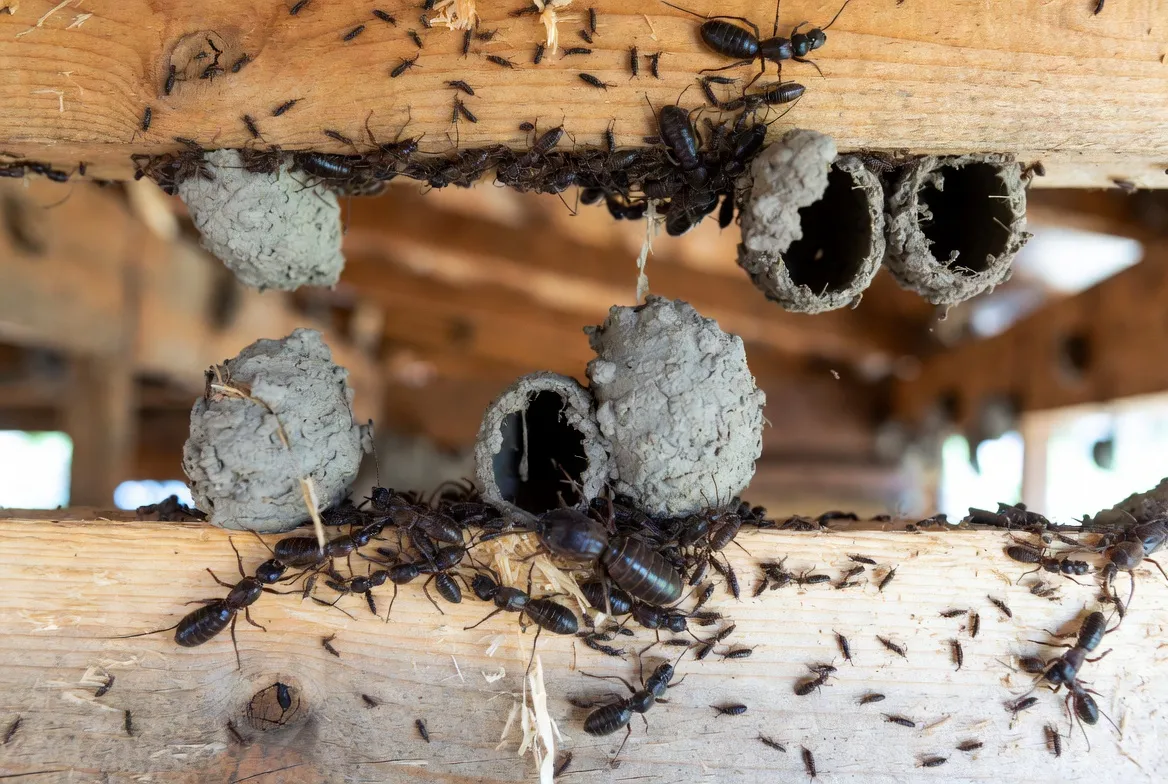
Alabama is classified as a "very heavy" termite pressure zone by the International Residential Code — the highest possible rating. North Alabama's combination of warm temperatures, high humidity, heavy clay soils, and frequent rain creates near-perfect conditions for termite colonies to thrive year-round.
Unlike northern states where cold winters kill or suppress termite activity, Huntsville's relatively mild winters allow colonies to stay active and feeding throughout the year. A single subterranean termite colony can consume over a pound of wood per day, and most homeowners don't notice damage until it is already extensive.
Types of Termites Found in Huntsville
Eastern Subterranean Termites
By far the most common termite in Madison County. These termites live underground and travel through mud tubes to reach wood in your home. They are responsible for the vast majority of termite damage in North Alabama and are active year-round in our climate.
Formosan Subterranean Termites
An invasive species that has been spreading northward through Alabama over the past two decades. Formosan colonies are significantly larger than native subterranean termites — often containing millions of individuals — and can cause damage much faster. Their presence in the Huntsville area is increasing and should be taken seriously.
Drywood Termites
Less common in North Alabama but occasionally found, especially in older homes with imported wood materials. Unlike subterranean termites, drywood termites live entirely within the wood they consume and do not need soil contact. Treatment typically requires fumigation or localized heat treatment.
Warning Signs of a Termite Infestation
Most termite damage happens out of sight — inside walls, under floors, and in crawl spaces. These are the most reliable warning signs to watch for:
🪰 Swarmers indoors
Winged termites (swarmers) emerging inside your home in spring are one of the clearest signs of an established colony nearby.
🟤 Mud tubes
Pencil-width mud tubes running along your foundation, piers, or walls are highways termites build to travel between soil and wood.
🪵 Hollow-sounding wood
Tap wooden beams, floors, or trim — a hollow sound suggests termites have eaten the inside while leaving the outer shell intact.
🚪 Sticking doors or windows
Termite damage can warp wooden frames, causing doors and windows to stick or no longer close properly.
🌾 Frass (drywood termites)
Small piles of wood-colored pellets near baseboards or window sills can indicate drywood termites expelling waste.
🍂 Discarded wings
Piles of small, equal-length wings near windowsills or doors indicate swarmers have recently emerged and shed their wings.
Termite Treatment Options
Liquid soil treatment (termiticide barrier)
The most common treatment for subterranean termites in Alabama. A licensed technician applies termiticide to the soil around and under your home's foundation, creating a treated zone termites cannot cross. Products like Termidor (fipronil) are widely used and are highly effective in our region. Results are typically long-lasting — 5 to 10 years with some products.
Bait station systems
Stations are placed in the soil around the perimeter of your home. Termites find the bait, feed on it, and share it with the colony, eventually eliminating it. Bait systems require ongoing monitoring — typically quarterly visits — and are often sold as part of an annual service agreement. They work more slowly than liquid treatment but are less invasive.
Fumigation (tenting)
Required for severe drywood termite infestations. The entire home is tented and filled with a gas fumigant. This is the most disruptive treatment — your family and pets must vacate for several days — but it is the most thorough option for drywood termites throughout the entire structure.
Localized heat treatment
An alternative to fumigation for smaller drywood termite infestations. Heat is applied to a targeted area, raising the temperature high enough to kill termites throughout the wood. No chemicals required, but it does not treat the whole structure.
Understanding Termite Bonds in Alabama
A termite bond is an ongoing service agreement between you and a pest control company. It is one of the most important home protection documents you can have in Alabama, and it is often required by mortgage lenders and home buyers when you sell.
What a termite bond typically covers
- Annual inspection of your home
- Re-treatment at no charge if termites are found during the contract period
- Some bonds include repair coverage — meaning the company pays for termite damage repairs up to a set dollar limit
Transferring a termite bond when selling
Most termite bonds in Alabama are transferable to a new homeowner, which adds value when you sell your property. There is typically a transfer fee involved. If you are buying a home, always ask for documentation of an active termite bond and request a fresh inspection as part of your due diligence.
What Does Termite Treatment Cost in Huntsville?
| Treatment Type | Typical Cost Range | Notes |
|---|---|---|
| Initial liquid soil treatment | $500 – $1,500 | Depends on home size and soil access |
| Bait station installation | $800 – $1,500 | Plus $200–$400/yr monitoring fee |
| Annual termite bond (re-treatment) | $150 – $350/yr | Renewal after initial treatment |
| Termite bond with repair coverage | $250 – $600/yr | Coverage limits vary widely |
| Fumigation (drywood termites) | $1,500 – $4,000+ | Based on home size; includes lodging costs |
Prices in Madison County can vary significantly between companies. Getting two or three quotes is strongly recommended before committing, especially for the initial treatment. Some companies offer a free inspection and quote — always take advantage of this.
Questions to Ask Before Hiring a Termite Company
Are you licensed by the Alabama Department of Agriculture & Industries?
Any pest control company in Alabama must hold a valid ADAI license. Ask for the license number and verify it at the ADAI website before signing a contract.
What product will you use and how long does it last?
Ask specifically about the termiticide brand and its rated duration. Some products like Termidor offer long-term protection; others may need to be reapplied more frequently.
Does your bond include repair coverage, or only re-treatment?
This is one of the most important questions. Re-treatment bonds are common and far less protective than repair bonds. Get the answer in writing with a dollar limit.
How long have you operated in the Huntsville area?
Local experience matters. Companies familiar with North Alabama soil types, moisture conditions, and home construction styles will do a more thorough job.
Is this bond transferable if I sell my home?
A transferable termite bond adds real market value to your home. Confirm the transfer fee and the process before you sign.